
Ledger.com/Start® | Getting Started™ | Ledger®
Visit Ledger.com/start to discover useful steps for connecting your Ledger device and completing wallet setup.
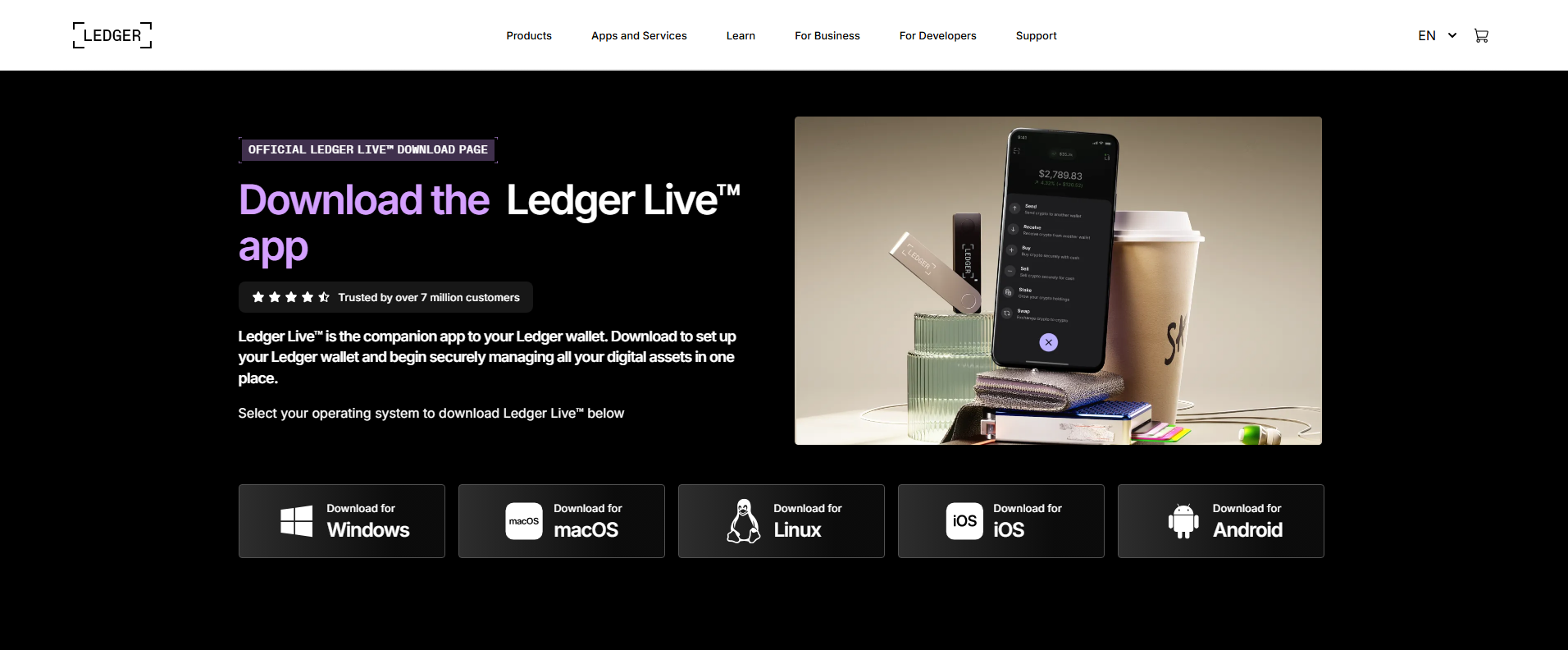
Ledger.com/start: Learn the Essentials of Setting Up Your Ledger Wallet
Getting started with a hardware wallet is about more than connecting a device and opening an application. It is also an opportunity to establish good security habits that can protect your digital assets over time. Ledger.com/start provides a starting point for users who want to understand the basic process of preparing a Ledger wallet and managing it responsibly.
Start With a Security-Minded Approach
Before beginning the setup process, make sure you are using a genuine hardware wallet and trusted software. Avoid instructions supplied through unsolicited messages or unfamiliar websites. Cryptocurrency scams frequently imitate legitimate wallet services, so checking the source of setup information is essential.
A careful approach at the beginning can help prevent avoidable mistakes later.
Setting Up Your Ledger Wallet
The setup process generally involves connecting the hardware wallet, following the device instructions, and completing the required initialization steps. Depending on the device and software being used, users may also need to install compatible wallet-management software.
When creating or restoring a wallet, pay close attention to the instructions presented on the hardware device. Do not rush through security-related screens simply to finish the setup quickly.
Protecting Your Recovery Information
One of the most important parts of hardware wallet ownership is protecting the recovery phrase. This information should be treated as confidential and kept in a secure offline location.
Never enter your recovery phrase into a website or send it through email, messaging apps, social media, or customer-support chats. Legitimate support should not require you to reveal it.
It is also wise to avoid taking digital photographs or screenshots of the recovery phrase, since these can potentially be exposed through compromised devices or cloud services.
Key Benefits of a Proper Setup
Stronger Security Habits
A structured setup helps users recognize which information should remain private and which actions deserve additional verification.
Direct Transaction Confirmation
Hardware wallet workflows can provide an opportunity to review transaction information on the physical device before approving an action.
Organized Asset Management
Compatible wallet software can provide an interface for viewing accounts and managing supported digital assets while the hardware wallet remains involved in sensitive approvals.
Greater User Awareness
Understanding the role of the hardware device, recovery phrase, and wallet software can make cryptocurrency management less confusing for new users.
Safe Transaction Practices
Before confirming a transaction, carefully compare the destination address, amount, and network details with your intended transfer. Do not approve an unfamiliar transaction simply because a computer application displays it.
If something looks different from what you expected, stop and investigate before continuing.
Avoiding Fake Support and Phishing
Scammers may create websites or social profiles that look like legitimate wallet support. They may claim that your device has a security problem and ask for your recovery phrase or other confidential information.
Treat unexpected requests for sensitive wallet information as suspicious. Use trusted sources when looking for assistance, and avoid clicking unknown wallet-related links.
Conclusion
Ledger.com/start can help users approach hardware wallet setup with greater awareness. The most effective security routine combines careful initialization, private recovery information, trusted software, transaction verification, and ongoing phishing awareness. Taking a few extra moments during setup can create better habits for long-term digital asset management.
Additional Resources
- Hardware wallet setup practices
- Recovery phrase security
- Safe transaction verification
- Phishing prevention
- Digital asset self-custody guidance
Updated about 4 hours ago